

What are the Zero Disposable initiatives in coastal regions?
Sep 19, 2025
Leave a message
Coastal regions are among the most vulnerable areas to the adverse impacts of disposable products. The constant influx of tourists, local consumption, and industrial activities in these areas has led to a significant increase in disposable waste, which often ends up in the ocean, causing harm to marine life and ecosystems. As a Zero Disposable supplier, I've witnessed firsthand the importance of implementing initiatives to reduce and ultimately eliminate disposable products in these regions.
The Problem of Disposable Products in Coastal Regions
Disposable products, such as single - use plastics, are a major threat to coastal environments. These items are often lightweight and easily carried by wind and water currents. Plastic straws, bags, bottles, and disposable vape pens are common culprits. For instance, disposable vape pens, like the Best Cookies X The Freak Brothers Disposable Vape Pen, Jeeter Juice 2g Disposable Vape Pen, and Stoner Stix 2G Disposable Vape Pen, are frequently discarded improperly and end up in the ocean.
Marine animals can mistake these disposable items for food. Plastic bags, for example, can look like jellyfish to sea turtles, and when ingested, they can cause internal blockages and starvation. Additionally, disposable products can break down into microplastics, which are then absorbed by small organisms at the base of the food chain. These microplastics can accumulate in the tissues of larger animals as they consume the smaller ones, eventually making their way up to humans who eat seafood.
Zero Disposable Initiatives in Coastal Regions
Government Regulations
Many coastal governments are taking steps to regulate the use of disposable products. They are implementing bans on single - use plastics, such as plastic bags and straws. Some regions have also introduced extended producer responsibility (EPR) programs, which require manufacturers to take responsibility for the entire life - cycle of their products, including their disposal. This encourages companies to design products that are more sustainable and easier to recycle.
Community Education and Awareness
Community education is a crucial part of Zero Disposable initiatives. Local organizations and environmental groups are conducting beach clean - up events, educational workshops, and awareness campaigns. These activities aim to inform the public about the impact of disposable products on the coastal environment and encourage them to make more sustainable choices. For example, teaching tourists and locals about the importance of using reusable water bottles and bags can significantly reduce the amount of disposable waste generated in coastal areas.
Business Incentives
Businesses in coastal regions are being incentivized to adopt Zero Disposable practices. Governments may offer tax breaks or grants to companies that switch to sustainable packaging or eliminate disposable products from their operations. For example, restaurants can be encouraged to use reusable tableware instead of disposable ones. Hotels can provide guests with refillable toiletry containers instead of single - use miniatures.
Innovation in Product Design
There is a growing trend towards the development of innovative, non - disposable products. As a Zero Disposable supplier, I'm constantly on the lookout for new and improved alternatives to traditional disposable items. For example, there are now biodegradable vape pens that can break down naturally in the environment, reducing the long - term impact on coastal ecosystems.
The Role of a Zero Disposable Supplier
As a Zero Disposable supplier, I play a vital role in supporting these initiatives. I work closely with businesses in coastal regions to provide them with sustainable alternatives to disposable products. This includes sourcing and supplying reusable water bottles, bamboo cutlery, and compostable packaging materials.
I also collaborate with manufacturers to develop new and more sustainable products. By working together, we can ensure that the products we offer are not only environmentally friendly but also meet the needs and preferences of consumers. For example, when it comes to vape pens, we are exploring options for rechargeable and refillable models that can replace the disposable ones.
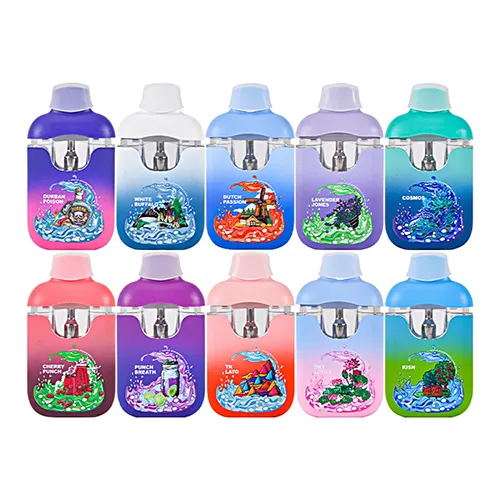

In addition, I act as an educator and advocate. I provide information to my clients about the benefits of Zero Disposable practices and help them implement these practices in their businesses. I also participate in local environmental events to raise awareness about the importance of reducing disposable waste in coastal regions.
Challenges and Future Outlook
Despite the progress made in Zero Disposable initiatives in coastal regions, there are still many challenges. One of the main challenges is consumer behavior. Changing people's habits and getting them to embrace sustainable alternatives can be difficult. There is also a lack of infrastructure in some areas to support recycling and composting.
However, the future looks promising. With increasing awareness about the environmental impact of disposable products, more and more people are willing to make changes. The demand for sustainable products is growing, and this is driving innovation in the industry. As a Zero Disposable supplier, I'm confident that we can continue to make a positive impact on coastal environments by providing high - quality, sustainable alternatives to disposable products.
Conclusion
Zero Disposable initiatives in coastal regions are essential for protecting the environment and ensuring the long - term health of marine ecosystems. Through government regulations, community education, business incentives, and innovation in product design, we can significantly reduce the amount of disposable waste generated in these areas.
As a Zero Disposable supplier, I'm committed to supporting these initiatives. I believe that by working together, businesses, governments, and communities can make a real difference. If you're a business in a coastal region looking to adopt Zero Disposable practices, I encourage you to reach out to me. We can discuss your specific needs and find the best sustainable solutions for your operations. Let's work together to create a cleaner, healthier coastal environment for future generations.
References
- United Nations Environment Programme. (2018). Marine Litter and Microplastics: Global Lessons and Research to Inspire Action and Guide Policy Change.
- Ocean Conservancy. (2020). State of the Marine Debris Crisis.
- World Wildlife Fund. (2021). Plastic Pollution in our Oceans.
Send Inquiry