

Is Zero Disposable achievable in the fast - food industry?
Aug 20, 2025
Leave a message
Hey there! As a supplier aiming for zero disposable solutions in the fast - food industry, I've been thinking a lot about whether achieving zero disposable in this sector is actually doable. Let's dig into this topic and see what we can find out.
First off, the fast - food industry is huge. It's everywhere you look, from the big chains on every street corner to the local joints that serve up delicious burgers and fries. And one of the biggest issues with it is the massive amount of disposable stuff it uses. We're talking about things like paper bags, plastic utensils, Styrofoam containers, and those little sauce packets. It's crazy how much waste is generated every single day just from people grabbing a quick meal on the go.
But why is this a problem? Well, for starters, most of these disposable items end up in landfills. And let's face it, landfills are already overflowing. A lot of the plastic used in fast - food packaging doesn't break down easily. It can take hundreds of years for it to decompose, and in the meantime, it can release harmful chemicals into the environment. Also, a ton of resources go into making these disposable products in the first place. We're using up trees for paper, oil for plastic, and a whole lot of energy in the manufacturing process.
So, is zero disposable achievable? It's a tough question. On one hand, there are some major challenges. Fast - food places are all about convenience. Customers want their food in a hurry, and they expect it to be easy to carry and consume. Disposable packaging makes that happen. For example, a burger wrapped in a paper wrapper is easy to hold and eat while walking or driving. And those little plastic straws? They're super convenient for sipping on a soda.
Another challenge is cost. Switching to non - disposable or more sustainable alternatives can be expensive for fast - food businesses. For instance, reusable containers might cost more upfront, and there are also costs associated with cleaning and maintaining them. And let's not forget about customer acceptance. Some people are just used to the convenience of disposable items and might not be willing to change their habits.
However, there are also some really good reasons to believe that zero disposable is within reach. More and more consumers are becoming environmentally conscious. They're starting to demand more sustainable options from the businesses they support. This is a huge driving force for change in the fast - food industry. If customers start choosing fast - food places that use less disposable packaging, then the businesses will have to listen.
There are already some great examples of fast - food chains making progress. Some places are using paper straws instead of plastic ones. Others are offering reusable containers for customers to take their food home in. These are small steps, but they show that change is possible.
As a zero - disposable supplier, I've seen firsthand the potential for solutions. We've developed some really innovative products that can help fast - food businesses reduce their disposable waste. For example, we have these biodegradable food containers that look and work just like the regular plastic ones but break down much faster in the environment.

We also offer reusable utensils made from sustainable materials like bamboo. These utensils are not only eco - friendly but also stylish and durable. And the best part? They can be used over and over again, which means less waste in the long run.
Let's talk about some of the products that could be part of the solution. There are options like the Best Cookies X The Freak Brothers Disposable Vape Pen. Now, I know this is a vape pen, but the concept of reducing waste can be applied here too. Instead of using disposable vape pens, we could look into more sustainable options that are refillable or reusable.
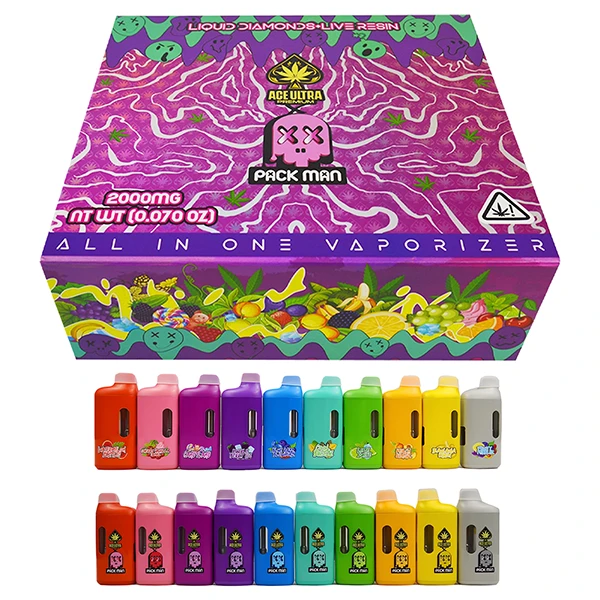
Similarly, the Sauce Live Resin Disposable and the 2ML Ace Ultra X Packman Disposable Vape could inspire the fast - food industry. Just like we're trying to find alternatives to disposable vape products, fast - food businesses can find alternatives to their disposable packaging.
One way to make zero disposable more achievable is through education. Fast - food businesses need to understand the long - term benefits of reducing their disposable waste. It's not just about being environmentally friendly; it can also be good for their bottom line. By reducing waste, they can save on costs associated with purchasing disposable items. And customers are more likely to support a business that is doing its part for the environment.
Customers also need to be educated. They need to understand the impact of their choices. We can start by providing information about the environmental consequences of using disposable items and the benefits of choosing more sustainable options. For example, a fast - food place could put up signs near the counter explaining why they're using paper straws instead of plastic ones.
Collaboration is another key factor. Fast - food chains, suppliers like me, and environmental organizations need to work together. Fast - food chains can share their needs and challenges, suppliers can develop the right products to meet those needs, and environmental organizations can provide guidance and support.
In conclusion, while achieving zero disposable in the fast - food industry is definitely a challenge, it's not impossible. There are obstacles to overcome, but with the right combination of consumer demand, innovation, education, and collaboration, we can make significant progress.
If you're a fast - food business owner or someone interested in reducing disposable waste in the industry, I'd love to talk to you. We can have a chat about the products and solutions we offer that can help you move towards a zero - disposable future. Let's work together to make the fast - food industry more sustainable.
References
- Studies on environmental impact of fast - food packaging
- Reports on consumer attitudes towards sustainable fast - food options
- Industry research on the cost of switching to non - disposable alternatives
Send Inquiry