

How does Zero Disposable relate to biodiversity?
Oct 13, 2025
Leave a message
In recent years, the concept of zero disposable products has gained significant traction as a sustainable alternative to single - use items. As a supplier of zero disposable products, I have witnessed firsthand the growing demand for eco - friendly solutions. But how does zero disposable relate to biodiversity? This blog post aims to explore the intricate connection between these two crucial aspects of our planet's well - being.
The Current State of Disposable Products and Biodiversity Loss
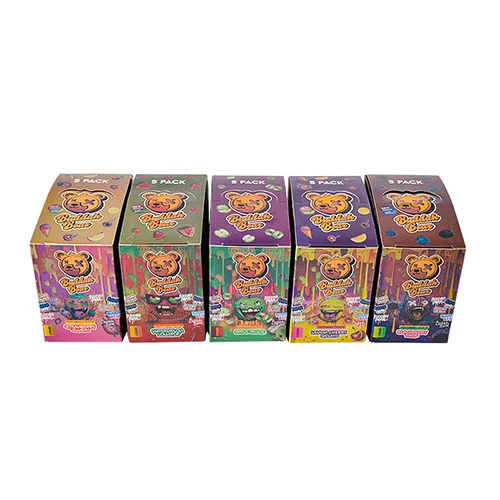
Disposable products have become ubiquitous in modern society. From single - use plastic cutlery to disposable vape pens like the Whole Melt X Fusion 2g Diamonds Disposables, Ghost 2g Disposable, and Buddah Bear 2g Disposable Vape Pen, these items are used briefly and then discarded. The production and disposal of disposable products have far - reaching negative impacts on biodiversity.
Production Phase
The extraction of raw materials for disposable products often involves large - scale mining, logging, and other resource - intensive activities. For example, the production of plastics, a common material in disposable items, requires the extraction of fossil fuels. This extraction process can lead to habitat destruction, as forests are cleared and wetlands are drained to make way for mining operations. Such habitat loss directly threatens the survival of countless plant and animal species that depend on these ecosystems for food, shelter, and reproduction.

Disposal Phase
Once disposable products are used, they end up in landfills, incinerators, or as litter in the environment. Landfills take up vast amounts of land, which could otherwise be used as natural habitats. Moreover, the decomposition of disposable products in landfills can release harmful chemicals and greenhouse gases into the environment. Incineration also releases pollutants into the air, contributing to air pollution and climate change, which in turn affect biodiversity. Litter, especially plastic litter, poses a significant threat to wildlife. Marine animals often mistake plastic debris for food, leading to ingestion and entanglement, which can cause injury, starvation, and death.
The Role of Zero Disposable in Protecting Biodiversity
Zero disposable products offer a solution to the problems posed by disposable items. By eliminating or reducing the use of single - use products, we can have a positive impact on biodiversity in several ways.
Reducing Resource Extraction
Zero disposable products are often designed to be reusable or made from sustainable materials. This reduces the demand for raw materials from resource - intensive extraction processes. For instance, instead of using disposable plastic water bottles, people can use reusable stainless - steel or glass bottles. By reducing the need for plastic production, we can decrease the pressure on fossil fuel extraction and the associated habitat destruction.
Minimizing Waste Generation
Since zero disposable products are reusable, they generate less waste compared to disposable items. This means less waste going to landfills, incinerators, or into the environment. By reducing landfill space requirements, we can preserve natural habitats. Additionally, less waste in the environment means fewer opportunities for wildlife to come into contact with harmful debris.
Promoting Sustainable Consumption Patterns
The adoption of zero disposable products encourages consumers to think more about their consumption habits. It promotes a shift towards a more sustainable lifestyle, where people value quality and longevity over convenience. This change in mindset can have a broader impact on the market, leading to increased demand for sustainable products and reduced demand for disposable items. As a result, industries may be more inclined to invest in sustainable production methods, which can further benefit biodiversity.
Case Studies: Zero Disposable Initiatives and Their Impact on Biodiversity
There are several real - world examples of zero disposable initiatives that have had a positive impact on biodiversity.
Zero Waste Stores
Zero waste stores have emerged as a popular concept in many cities around the world. These stores encourage customers to bring their own reusable containers to purchase products such as grains, spices, and cleaning supplies. By eliminating the need for single - use packaging, these stores reduce the amount of plastic waste that ends up in the environment. In some areas, the reduction in plastic litter has led to a decrease in the number of marine animals affected by plastic ingestion and entanglement.
Reusable Product Programs
Some companies have implemented reusable product programs for items like coffee cups and food containers. For example, a coffee shop might offer a discount to customers who bring their own reusable cups. This not only reduces waste but also encourages customers to make more sustainable choices. In areas where these programs are successful, there has been a noticeable reduction in the amount of disposable coffee cup waste, which in turn reduces the environmental impact associated with their production and disposal.
Challenges in Implementing Zero Disposable Solutions
While the benefits of zero disposable products for biodiversity are clear, there are several challenges that need to be addressed in order to widespread adoption.
Consumer Behavior
Changing consumer behavior is one of the biggest challenges. Many consumers are accustomed to the convenience of disposable products and may be reluctant to switch to reusable alternatives. There is also a lack of awareness about the environmental impact of disposable products and the benefits of zero disposable solutions. Education and outreach programs are needed to inform consumers about the importance of biodiversity and how their choices can make a difference.
Infrastructure and Accessibility
In some areas, there may be a lack of infrastructure to support the use of zero disposable products. For example, there may not be enough places where consumers can refill their reusable containers. Additionally, reusable products may be more expensive or less accessible than disposable items, especially in low - income communities. This can create barriers to adoption.
Industry Resistance
The disposable product industry has a significant economic interest in maintaining the status quo. Some companies may be reluctant to invest in sustainable production methods or to develop zero disposable alternatives. There may also be regulatory and policy challenges that need to be overcome to encourage the transition to a zero disposable economy.
Our Contribution as a Zero Disposable Supplier
As a zero disposable supplier, we are committed to playing our part in protecting biodiversity. We offer a range of high - quality, reusable products that are designed to replace disposable items. Our products are made from sustainable materials and are built to last.
We also work closely with our customers to educate them about the benefits of zero disposable products and how they can contribute to biodiversity conservation. We provide resources and information on how to use and care for our products to ensure their longevity.
In addition, we are actively involved in advocating for policy changes that support the transition to a zero disposable economy. We believe that government policies can play a crucial role in promoting sustainable consumption and production patterns.
Conclusion
The relationship between zero disposable and biodiversity is clear. By reducing the use of disposable products and adopting zero disposable solutions, we can significantly reduce the negative impacts on biodiversity caused by resource extraction, waste generation, and pollution. While there are challenges in implementing zero disposable solutions, the benefits are well worth the effort.
As a zero disposable supplier, we invite you to join us in this important journey. Whether you are an individual consumer, a business owner, or an organization, there are many ways you can contribute to the zero disposable movement. If you are interested in learning more about our products or would like to discuss a potential purchase, please feel free to reach out. We are eager to work with you to make a positive impact on the environment and protect biodiversity for future generations.
References
- "The Impact of Plastic Pollution on Marine Biodiversity" by Ocean Conservancy
- "Sustainable Consumption and Production: A Path to Biodiversity Conservation" by United Nations Environment Programme
- "Zero Waste Living: A Practical Guide" by Bea Johnson
Send Inquiry