

How can local governments promote Zero Disposable?
May 29, 2025
Leave a message
Hey there! As a supplier in the Zero Disposable industry, I've been thinking a lot about how local governments can play a huge role in promoting a zero - disposable lifestyle. It's not just good for the environment; it can also bring about some pretty cool economic and social benefits. So, let's dive right in and explore some ways local governments can make this happen.
1. Education and Awareness Campaigns
One of the first steps local governments can take is to run education and awareness campaigns. A lot of people just don't know how bad disposable products are for the planet. Disposable plastics, for example, end up in landfills, oceans, and rivers, causing harm to wildlife and ecosystems.
Local governments can use different channels to spread the word. They can put up posters in public places like bus stops, libraries, and community centers. Social media is also a great tool. A well - run social media campaign can reach a wide audience, especially the younger generation. They can share facts, tips on reducing disposable use, and success stories from the community.
For instance, they could create a series of short videos showing how easy it is to switch from disposable to reusable products. Maybe a video on using a reusable water bottle instead of buying bottled water. These videos can be shared on platforms like YouTube and Instagram.
Another idea is to organize workshops and seminars in schools and community spaces. They can invite experts to talk about the environmental impact of disposable products and how to make more sustainable choices. These events can be really engaging and help people understand the importance of going zero - disposable.
2. Incentives for Businesses
Local governments can offer incentives to businesses to encourage them to reduce their use of disposable products. For example, they could give tax breaks to restaurants that use reusable utensils and plates instead of disposable ones. This not only helps the environment but also gives these businesses a competitive edge. Customers are becoming more environmentally conscious, and they're more likely to choose a restaurant that's making an effort to be sustainable.
Retailers can also be incentivized. A local government could offer grants to stores that start selling zero - disposable products or expand their selection of reusable items. This could include things like reusable shopping bags, beeswax wraps instead of plastic wrap, and stainless - steel straws.
Some governments have even started implementing "green business certification" programs. Businesses that meet certain zero - disposable standards can get a certification, which they can display in their stores. This helps build trust with customers and shows that the business is committed to sustainability.
3. Policy and Regulation
Policies and regulations are powerful tools for local governments. They can implement bans on certain disposable products. For example, many cities have already banned single - use plastic bags. This simple step has led to a significant reduction in plastic waste.
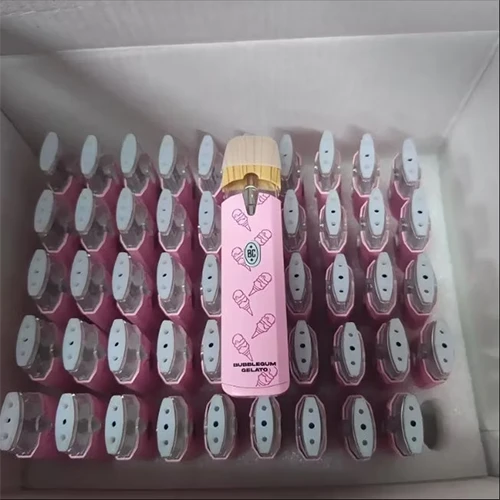
They can also set standards for waste management. Requiring businesses to separate their waste and recycle properly can make a big difference. And for disposable vape pens, local governments could enforce strict regulations. There are various types of disposable vape pens out there, like the Turn Disposable, Choice Labs Dual Disposable Vape Pen, and Big Chief 2G Disposable Vape Pen. By regulating their production, sale, and disposal, governments can ensure that they don't end up polluting the environment.

They could also introduce a "pay - as - you - throw" system. This means that residents pay more for their waste collection based on how much disposable waste they generate. It gives people an economic incentive to reduce their use of disposable products.
4. Infrastructure Development
Local governments need to invest in infrastructure to support a zero - disposable lifestyle. For example, they can install more water refill stations in public places like parks, shopping malls, and transportation hubs. This makes it easier for people to use reusable water bottles.
Recycling facilities also need to be improved. They should be easily accessible and well - equipped to handle different types of materials. And there should be clear guidelines on what can and can't be recycled.
Composting facilities are another important part of the infrastructure. By promoting composting, local governments can reduce the amount of organic waste that goes to landfills. They can provide compost bins to residents and offer training on how to compost at home.
5. Collaboration with Community Groups
Local governments shouldn't work alone. They can collaborate with community groups, non - profits, and environmental organizations. These groups often have a lot of energy and creativity when it comes to promoting sustainability.
They can work together on clean - up events. For example, a community group and the local government could organize a beach clean - up to remove disposable waste from the shore. These events not only help clean up the environment but also raise awareness about the problem of disposable pollution.
Community groups can also help with the education and awareness campaigns. They can spread the word in their neighborhoods and among their members. And they can provide feedback to the local government on what's working and what needs improvement in the zero - disposable initiatives.
Why It Matters for My Business
As a Zero Disposable supplier, these efforts by local governments are really important to me. When local governments promote a zero - disposable lifestyle, it creates a bigger market for my products. More people are looking for reusable and sustainable alternatives, and that means more demand for the products I supply.
For example, if a local government runs a successful campaign to encourage people to use reusable water bottles, I'll see an increase in sales of the high - quality reusable water bottles I offer. And if businesses are incentivized to go zero - disposable, they'll be more likely to purchase my products for their operations.
Let's Connect
If you're a local government official, a business owner, or just someone interested in going zero - disposable, I'd love to connect with you. I can provide you with high - quality zero - disposable products that meet your needs. Whether you're looking for reusable utensils for your restaurant or reusable shopping bags for your store, I've got you covered.
Let's work together to create a more sustainable future. If you're interested in discussing a potential purchase or just want to learn more about our products, don't hesitate to reach out. We can have a chat about how we can make your zero - disposable goals a reality.
References
- EPA. (2023). Municipal Solid Waste Generation, Recycling, and Disposal in the United States: Facts and Figures. Environmental Protection Agency.
- UNEP. (2022). Single - Use Plastics: A Roadmap for Sustainability. United Nations Environment Programme.
Send Inquiry